Planning a wedding is exciting, but it can also feel a little overwhelming. One minute you're celebrating your engagement, and the next you're comparing venues, scrolling Pinterest and trying to work out which suppliers to book first.
Whether you're planning a grand Yorkshire country house wedding, a relaxed barn celebration or an intimate registry office ceremony, your photographer is one of the people you'll spend the most time with on the day. From the final touches of hair and makeup right through to the dance floor, they're there to document the moments you'll want to remember for years to come.
That's why I've put together this guide. It will walk you through what to expect from your wedding photography and how a typical wedding day unfolds, helping you feel a little more prepared and a lot more excited for what's to come.
Before your wedding
Securing your date and venue is usually top of the list, but before long your attention will turn to choosing the people who will help bring your day together.
When choosing a wedding photographer, there are three things worth considering: budget, style and personality.
The last one might seem surprising, but it's incredibly important. Your photographer is often with you for most of the day, from getting ready in the morning to dancing in the evening. You want someone who makes you feel comfortable, helps you relax and feels like a natural fit for you and your guests.
Style is equally important. Wedding photography isn't one-size-fits-all. Some photographers take a more documentary approach, quietly capturing moments as they happen. Others lean towards editorial imagery with more direction and carefully composed portraits. Many photographers, myself included, sit somewhere in between.
Spend some time looking through full galleries rather than just Instagram highlights. Ask yourself whether you can picture your own wedding photographed in that style.
And then there's budget.
While budget will always play a part in your decision, I don't think it should be the deciding factor. You could book the most expensive photographer in the industry, but if you don't connect with their work or their approach, the price tag won't change that. The right photographer for you is the one whose images make you feel something and whose presence helps you feel at ease.
Once you've chosen your photographer, the booking process is usually straightforward. Most photographers will discuss the coverage that suits your plans, arrange a consultation call, send over a contract and take a booking fee to secure your date.
The biggest decisions are often made before the booking itself. Once you've found the right person, the rest tends to fall into place.
Getting ready
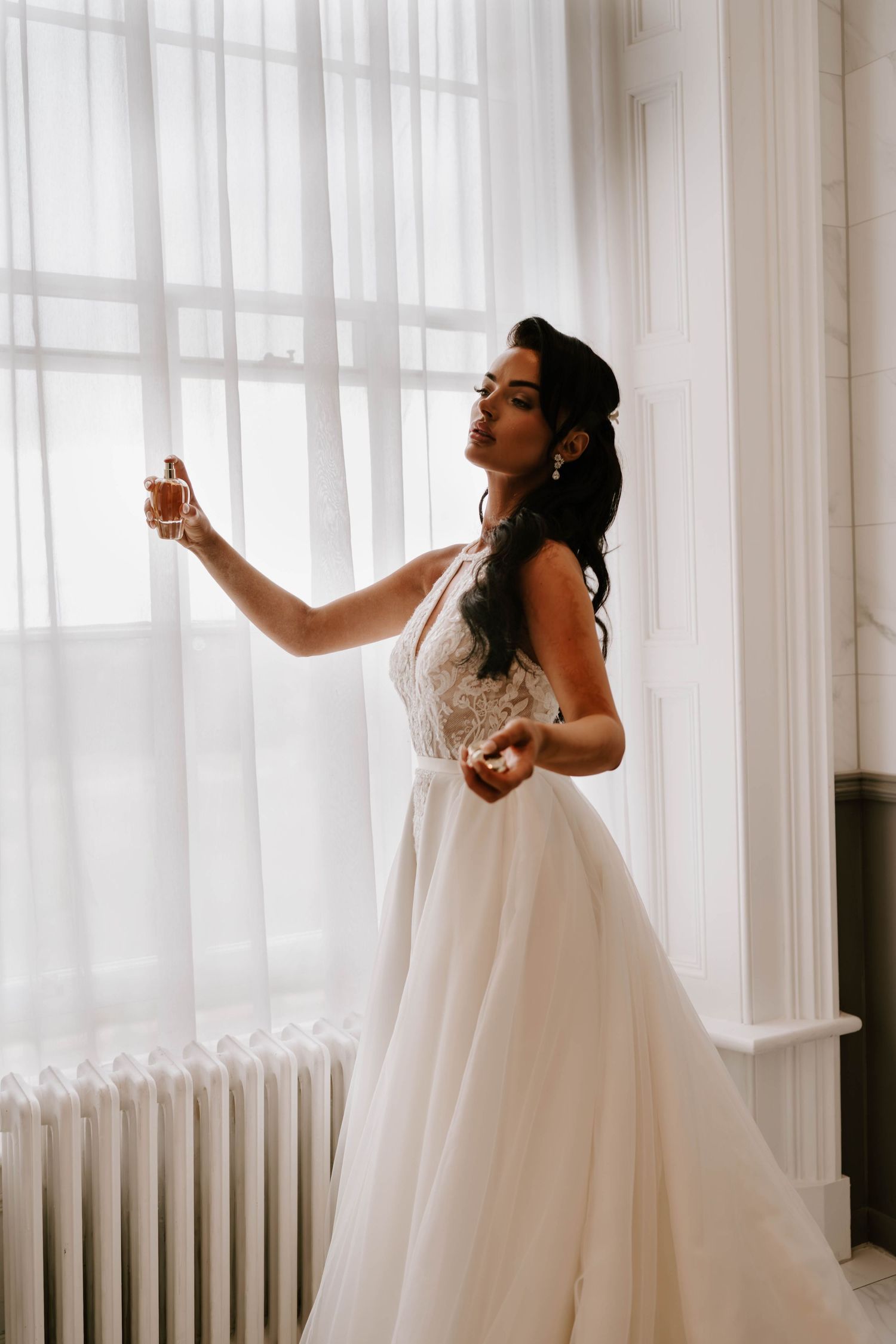
For most weddings, photography coverage begins around 90 minutes to two hours before the ceremony. This part of the day often feels calm, emotional and full of anticipation.
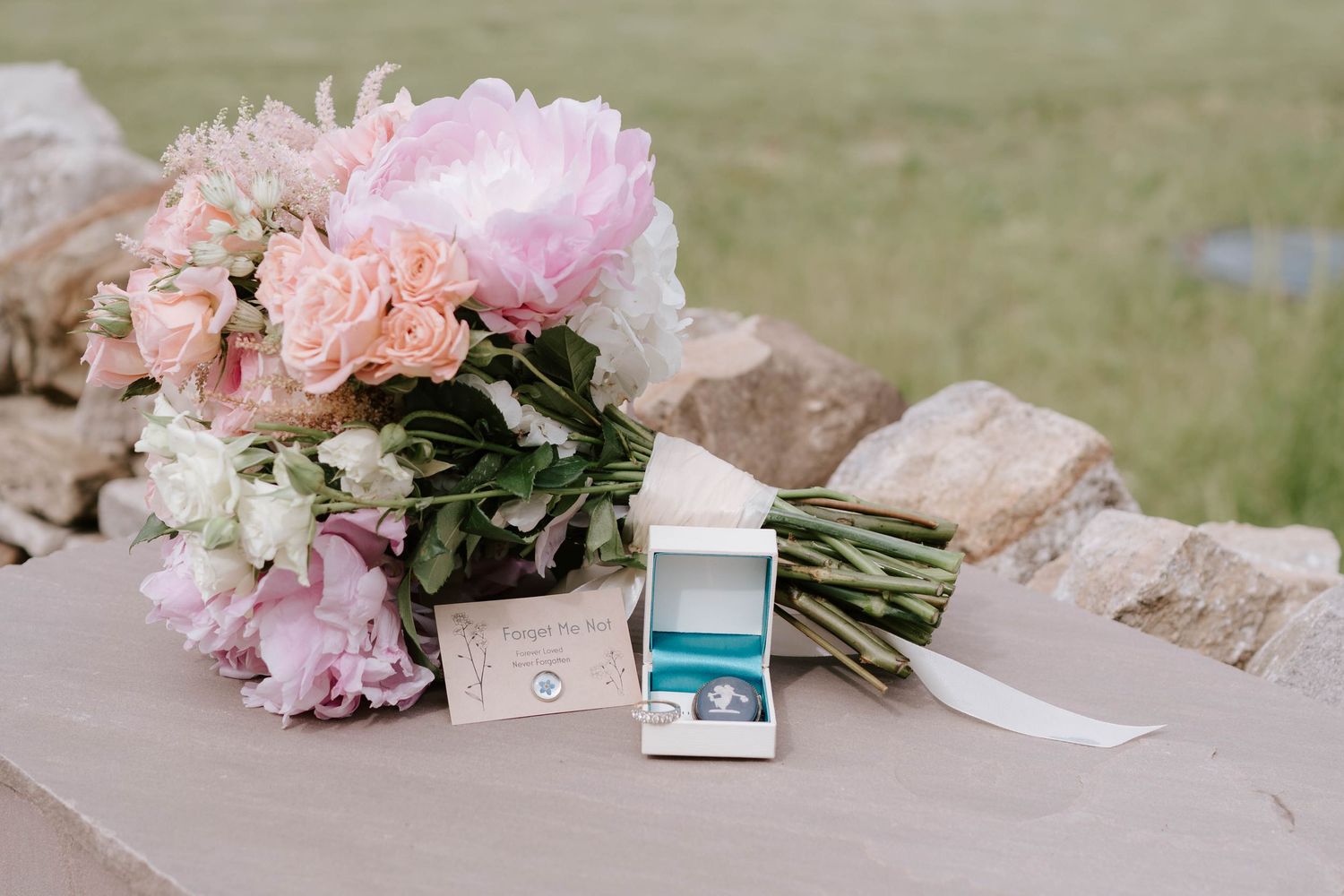
Your photographer will usually ask you to gather together your details beforehand. These are the pieces of the day you've carefully chosen and often spent months deciding on — invitations, jewellery, perfume, shoes, cufflinks, vows, sentimental keepsakes and, of course, the dress or suit itself.
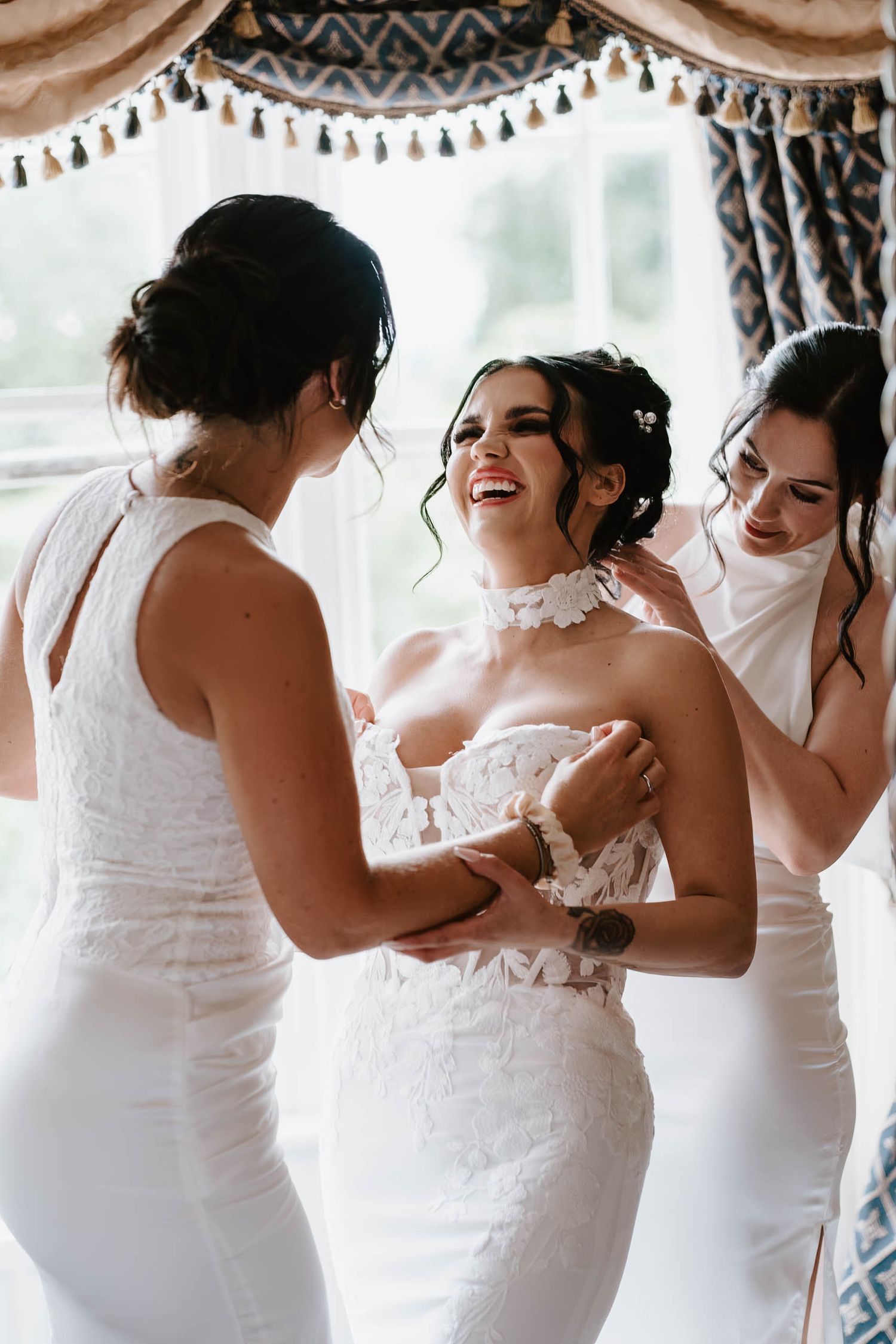
The rest of the morning is spent documenting the atmosphere as it unfolds. Hair and makeup finishing touches, laughter with your wedding party, a few happy tears and those little moments that often pass in a blur.
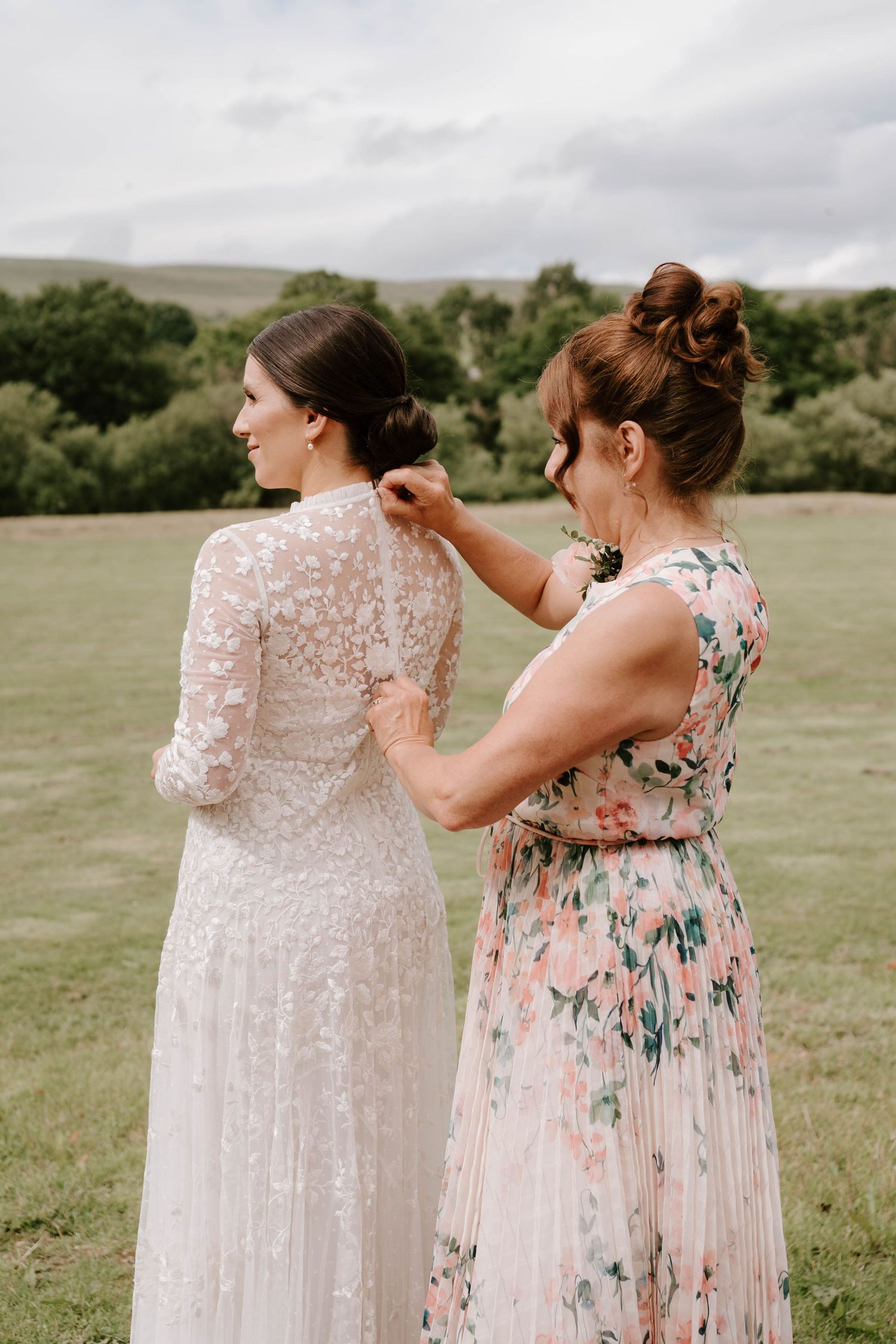
As the ceremony approaches, attention turns to the final preparations. Buttoning dresses, fastening jewellery, straightening ties and helping each other with those last-minute details. These moments might seem small at the time, but they're often some of the most meaningful photographs from the entire day.
ceremony
Once you've both met with the registrar, celebrant or officiant, the nerves usually start to feel very real.
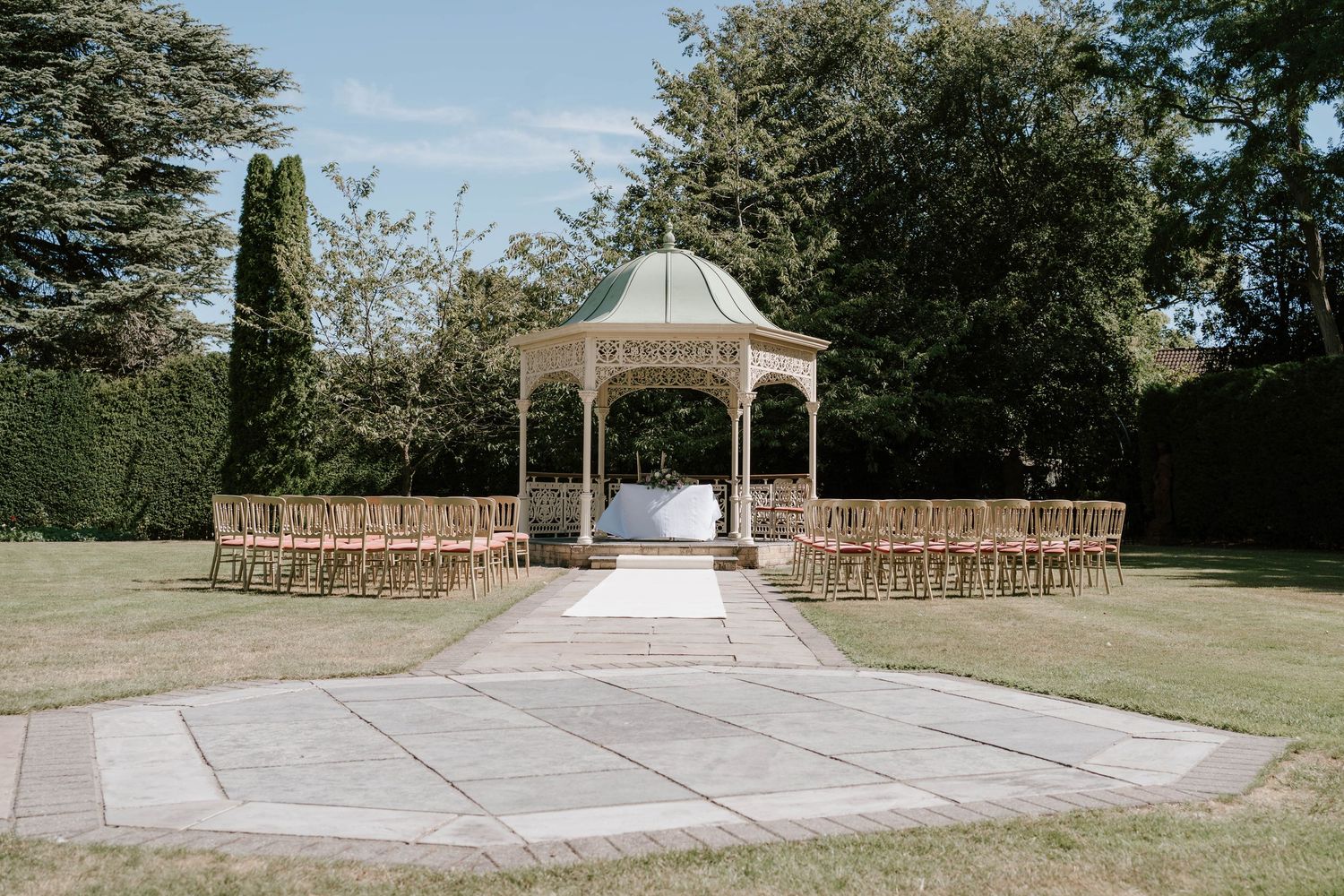
Before the ceremony begins, your photographer will capture guests arriving, chatting and finding their seats, along with photographs of the venue and all the details you've spent months planning.
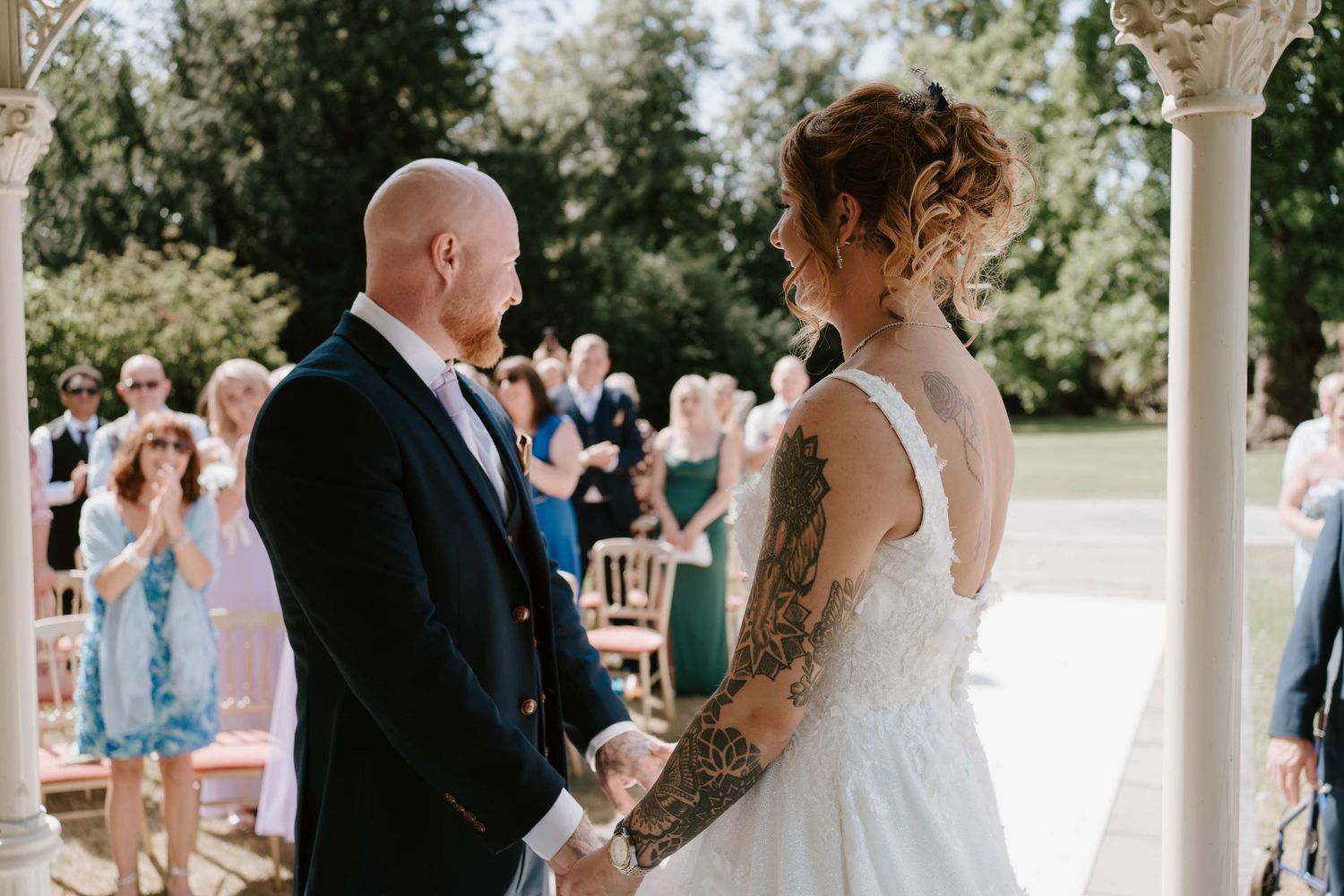
Then comes one of the most emotional moments of the day: walking down the aisle.
The look on your partner's face. The proud smiles from family members. The emotion in the room. It's the moment everything suddenly becomes real.
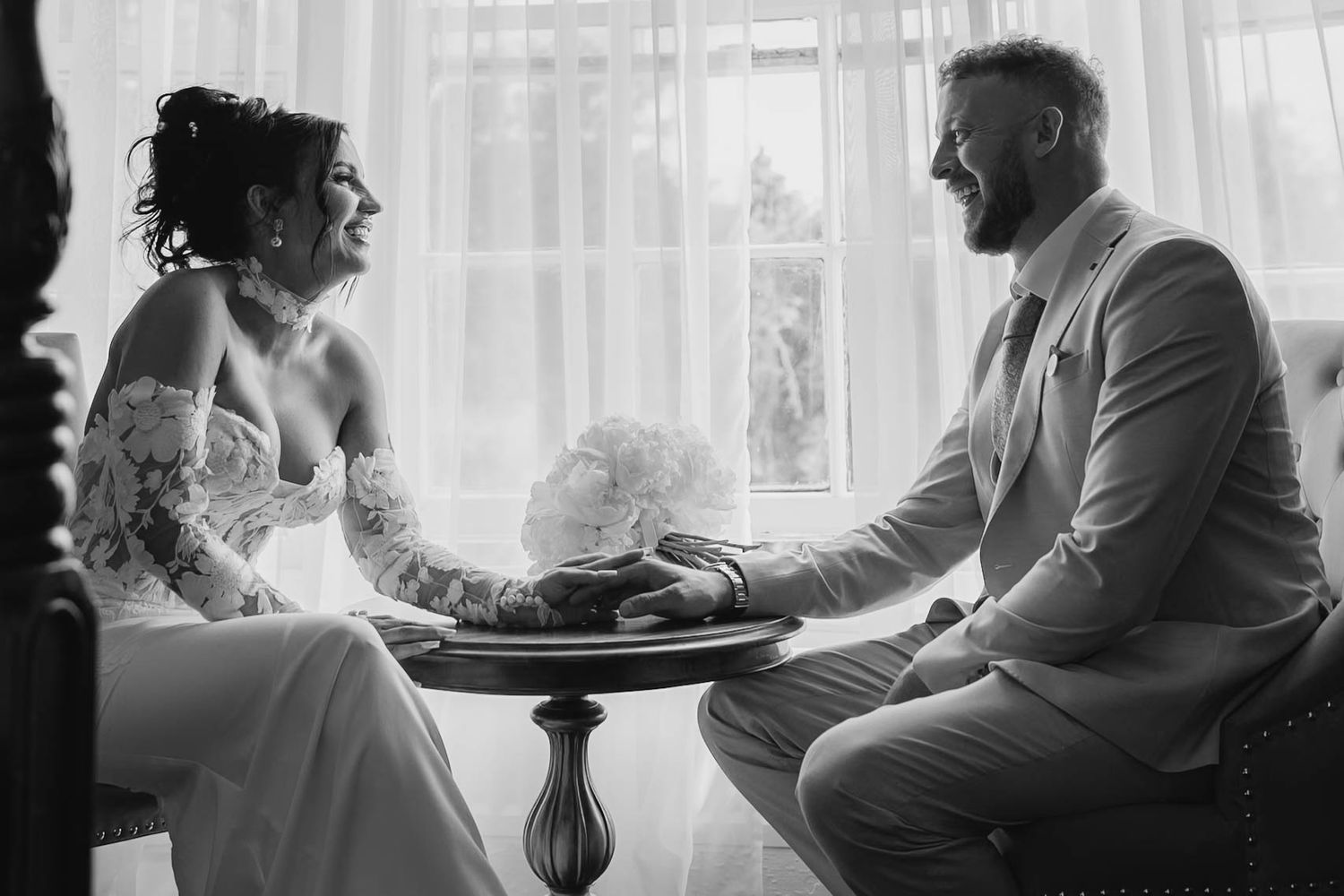
As the ceremony unfolds, your photographer will quietly document those genuine interactions — the stolen glances, the squeezed hands, the laughter and, of course, the first kiss.
A little tip from a photographer: hold that first kiss for a few seconds longer than feels natural. It gives everyone a chance to actually see it, and it makes for a much stronger photograph too.
Before you know it, the ceremony is over and you're officially married.
Depending on your venue and officiant, your photographer may be allowed to photograph the signing of the register, although this varies between locations.
As you walk back down the aisle together for the first time as a married couple, take it all in. Smile at your guests, celebrate the moment and don't rush through it. You've waited a long time for this part.
confetti & congratulations
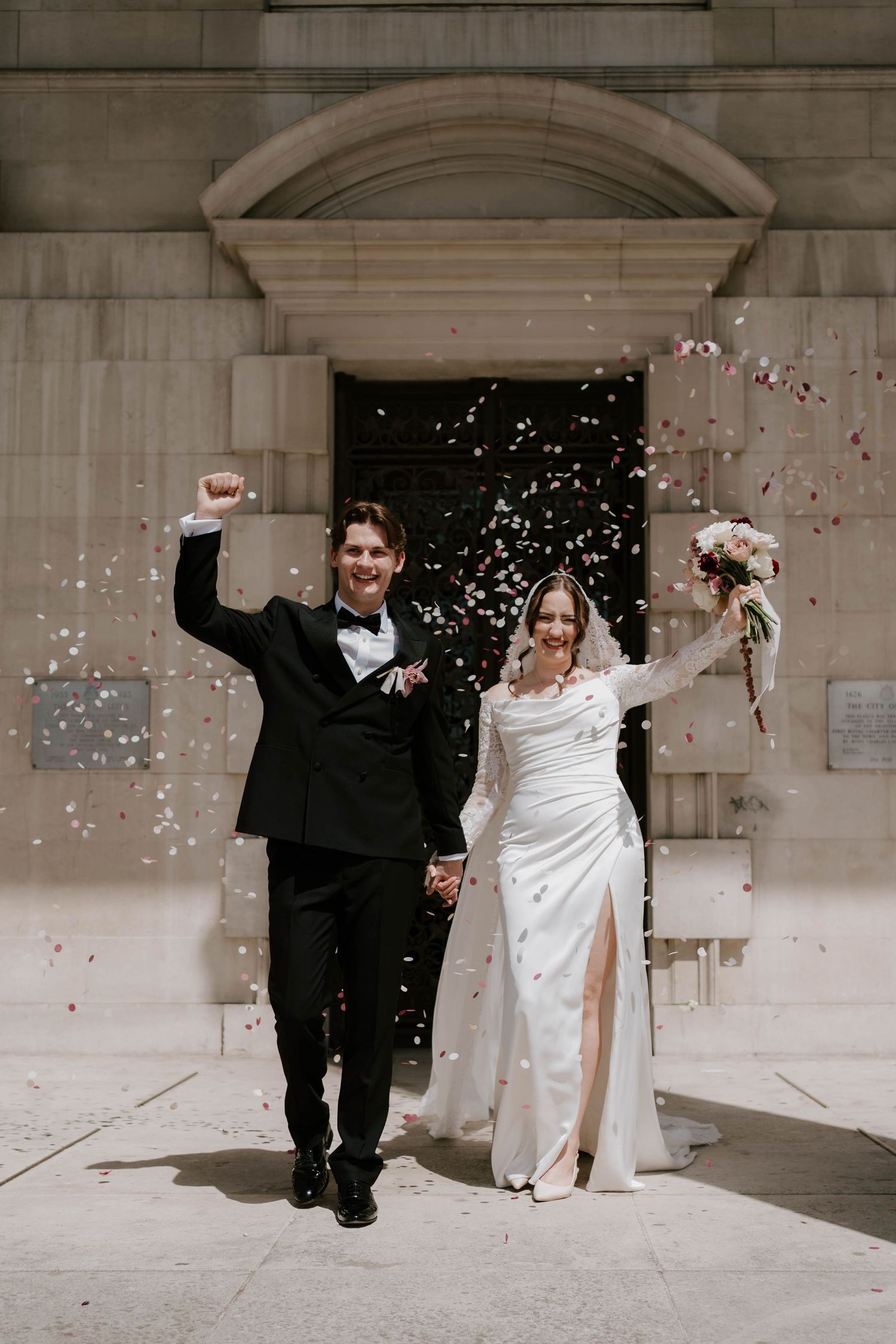
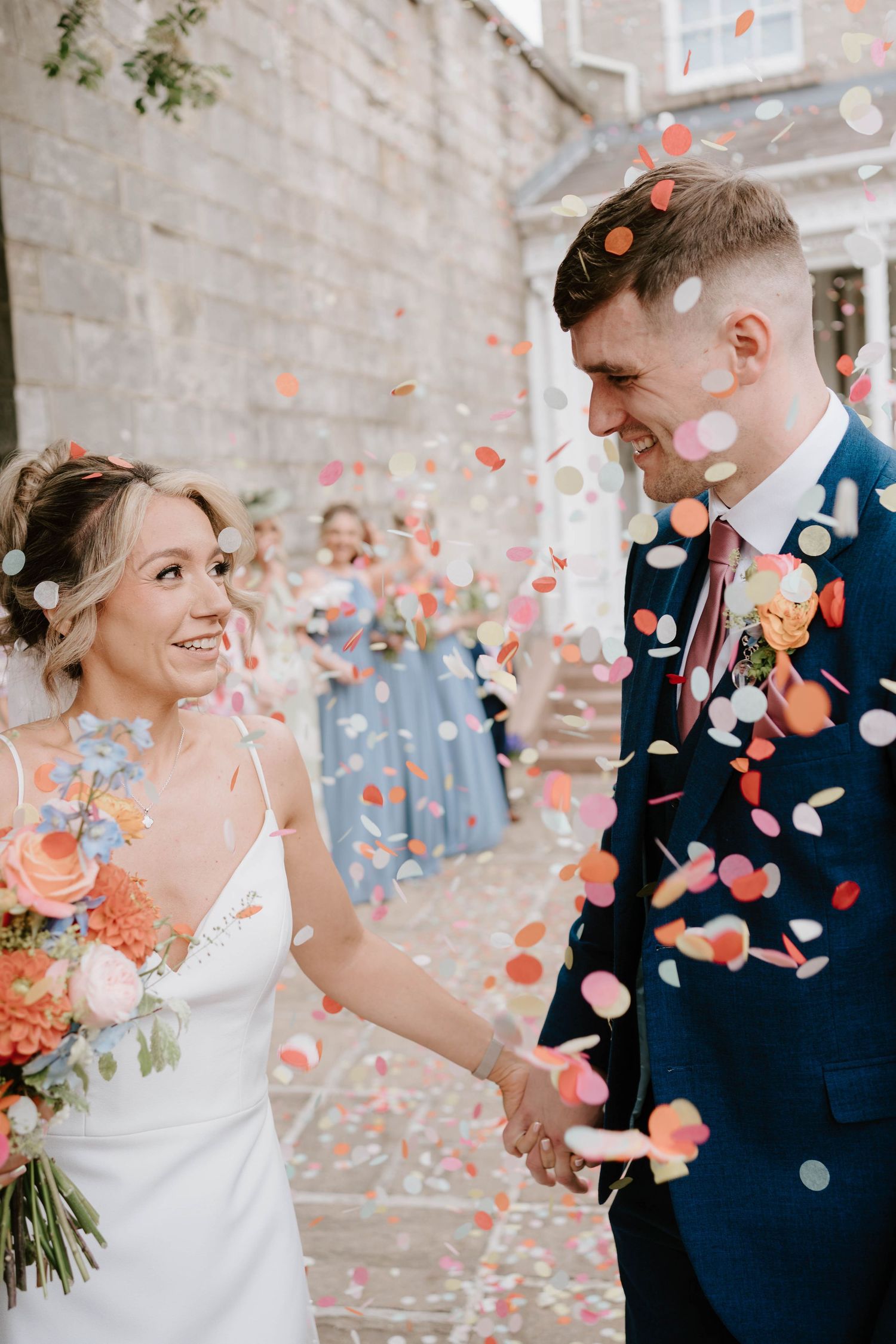
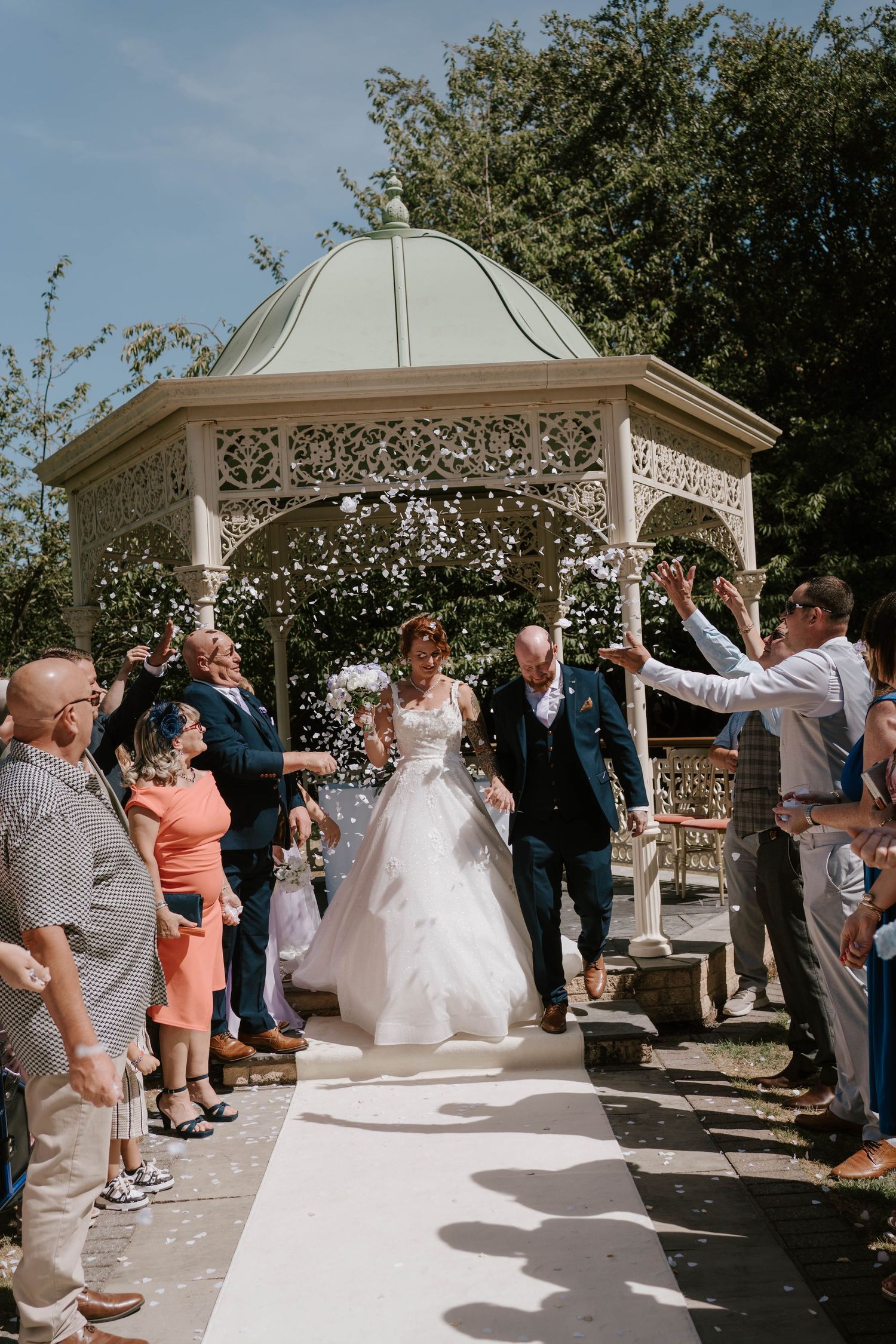
Many couples choose to have a confetti walk after the ceremony, and honestly, they're some of the most joyful photographs of the day.
Beforehand, check whether your venue allows confetti and whether it needs to be biodegradable. Your photographer will normally help organise everything and explain how it works.
Guests will line up on either side, armed with handfuls of confetti and strict instructions not to throw it directly into your faces.
One tip? Keep your bouquet low rather than using it as a shield. The confetti won't hurt, I promise.
Walk slowly, look at each other, laugh and enjoy it. The best confetti photographs happen when couples stop worrying about the camera and simply enjoy the moment.
And afterwards, take five minutes together.
No guests. No formalities. Just the two of you.
Those first few minutes as newlyweds are often overlooked, but they're some of the most special moments of the day.
group photos
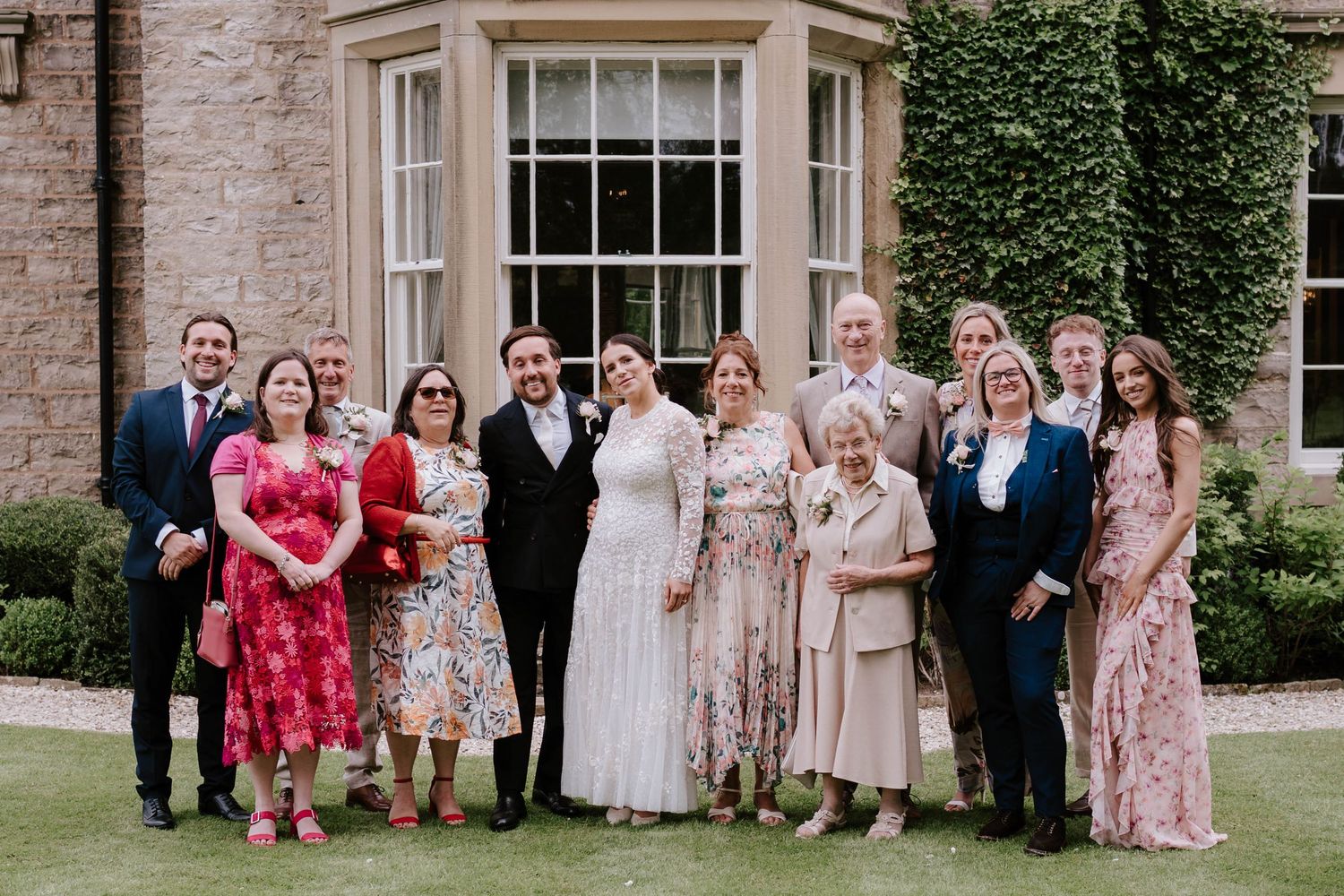
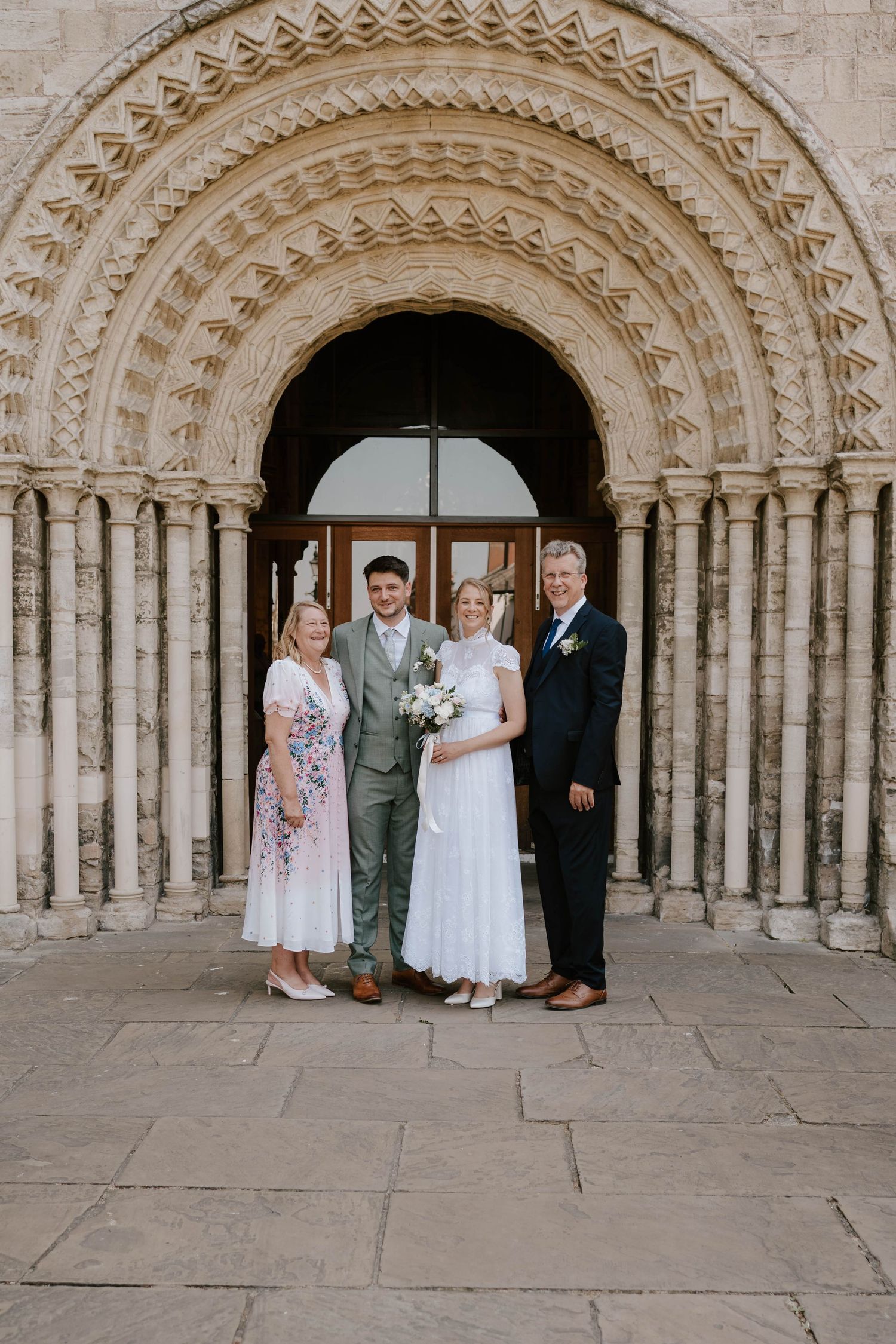
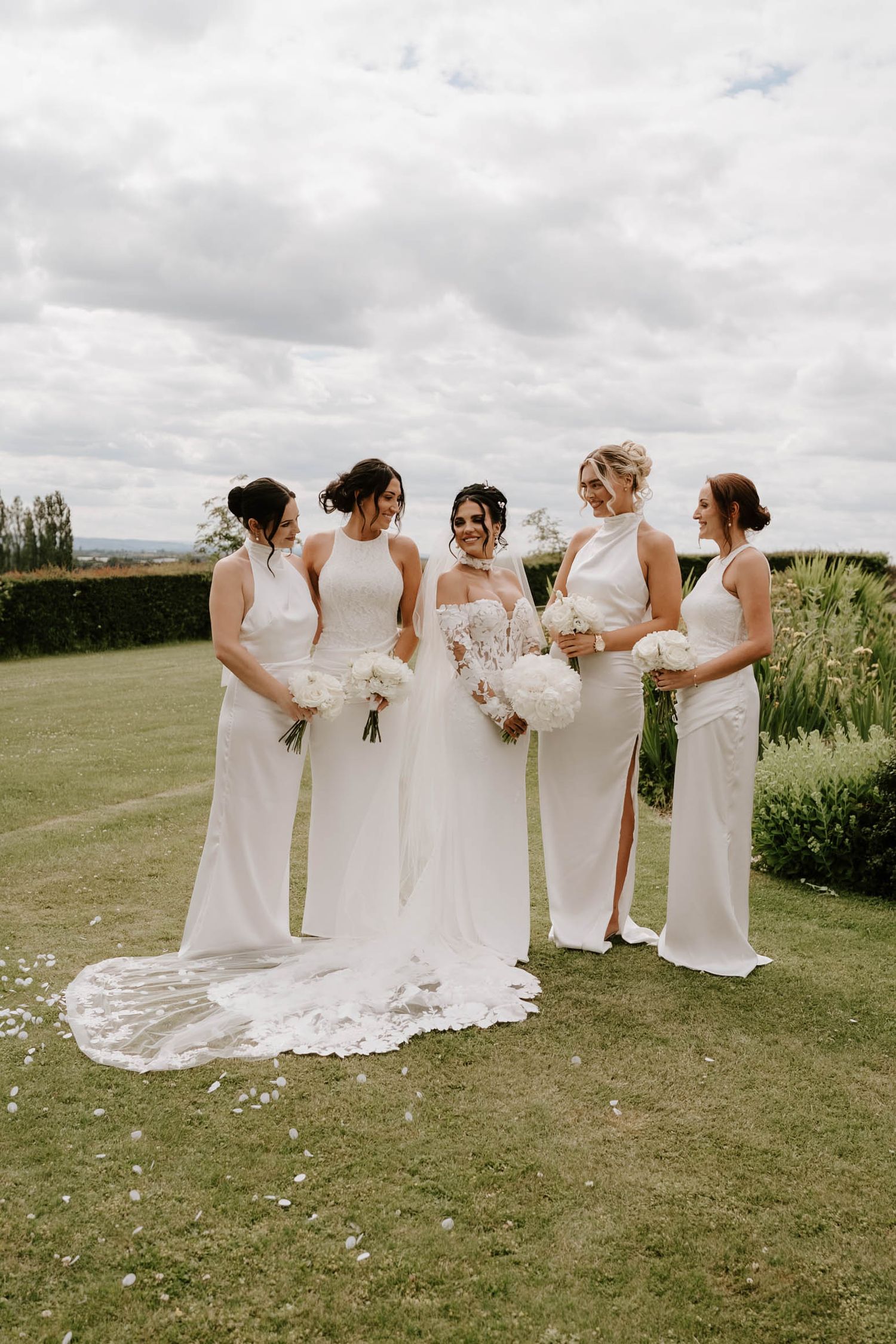
Family photographs might not be the most exciting part of the day, but years from now they'll likely be some of the most valuable.
The key to keeping them quick and stress-free is preparation.
Having a list of your must-have group combinations before the wedding helps everything run smoothly and means nobody important gets accidentally missed.
My advice is usually to keep the list focused on immediate family and your closest people. The longer the list becomes, the more time it takes away from enjoying your guests and celebrations.
With a little organisation, group photographs can be completed efficiently, leaving plenty of time for everything else.
couple's portraits
This is the part many couples secretly worry about.
"I hate having my photo taken."
"We're so awkward."
"We never know what to do."
I hear it all the time.
This is exactly why choosing a photographer whose personality and approach suit you matters so much.
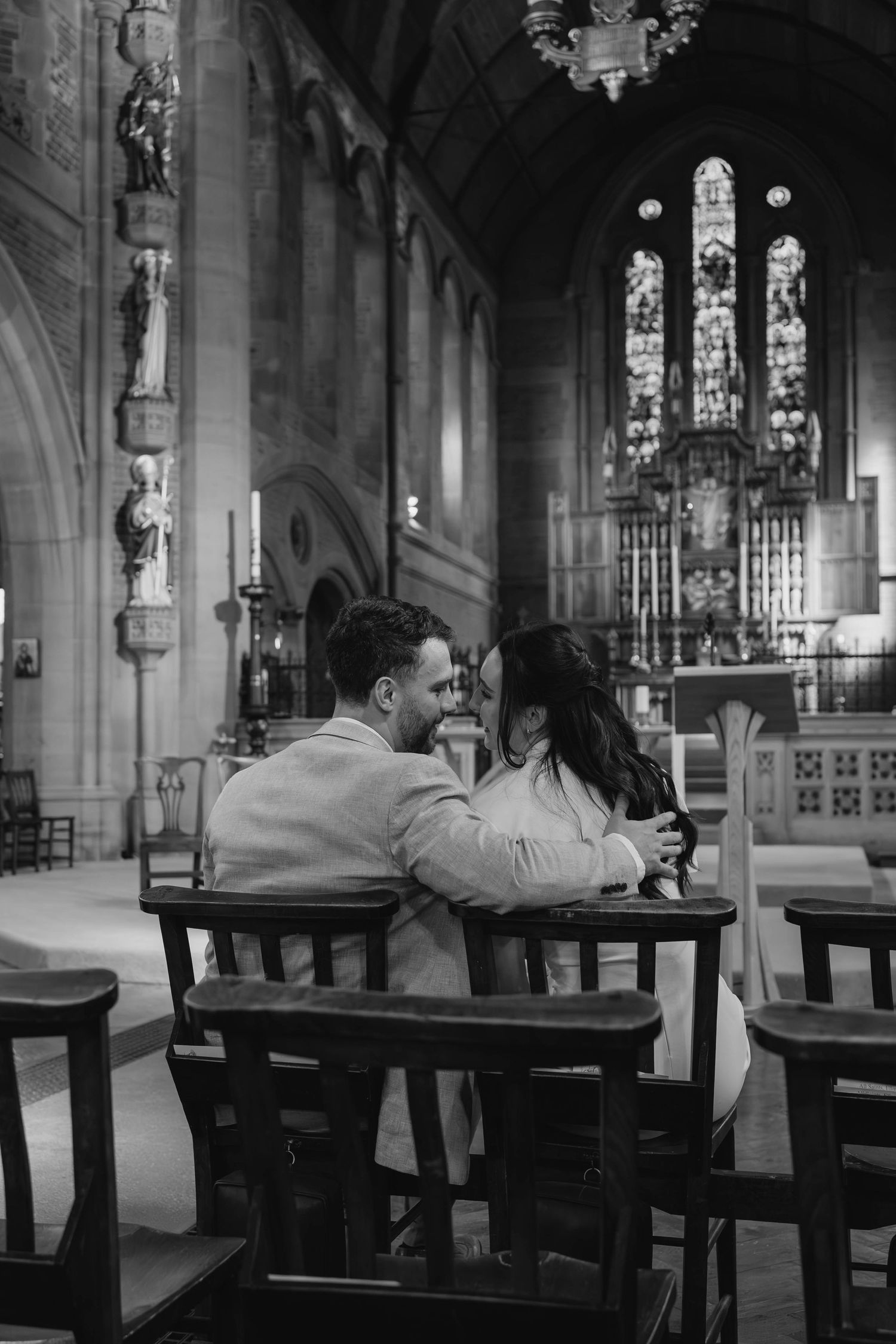
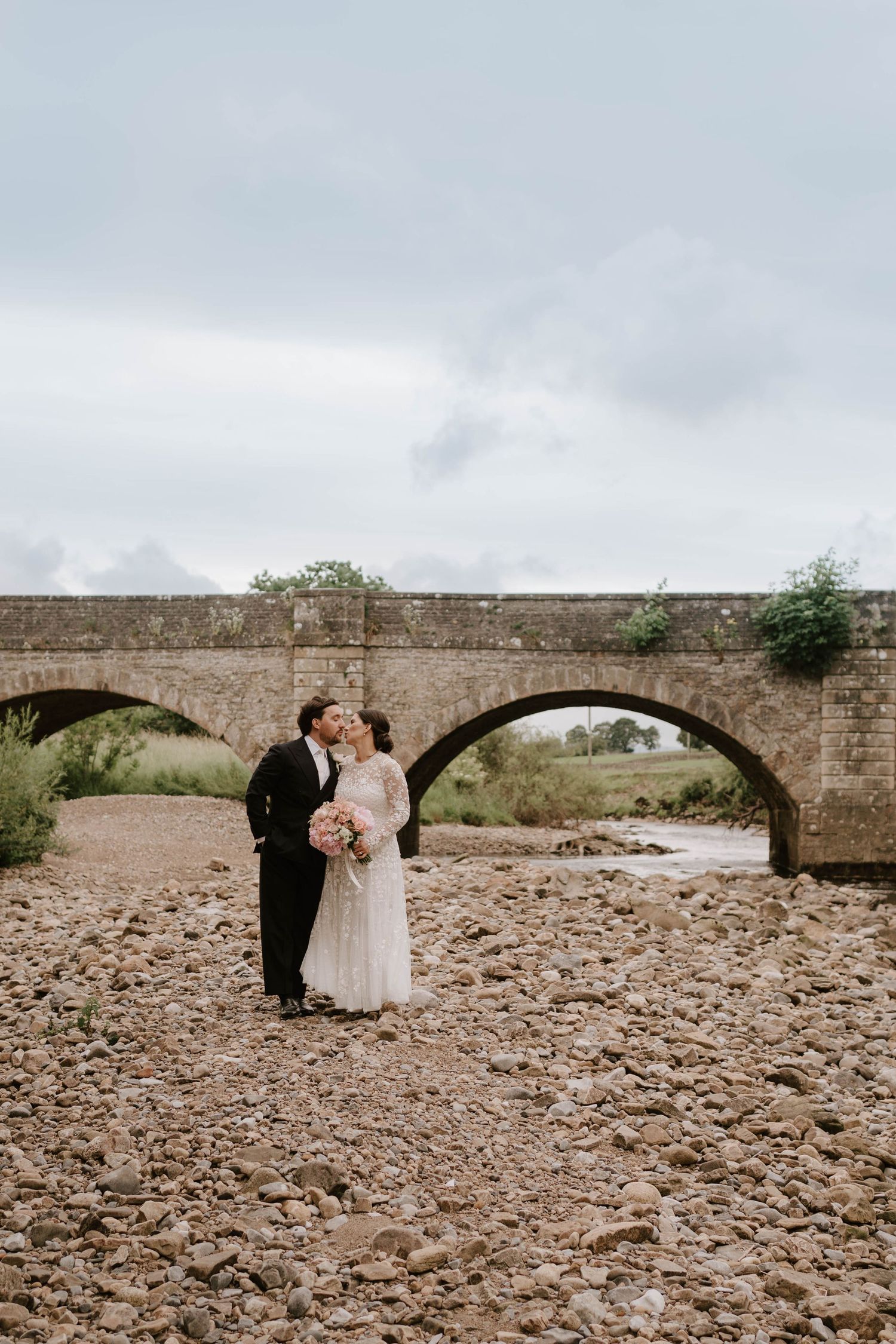
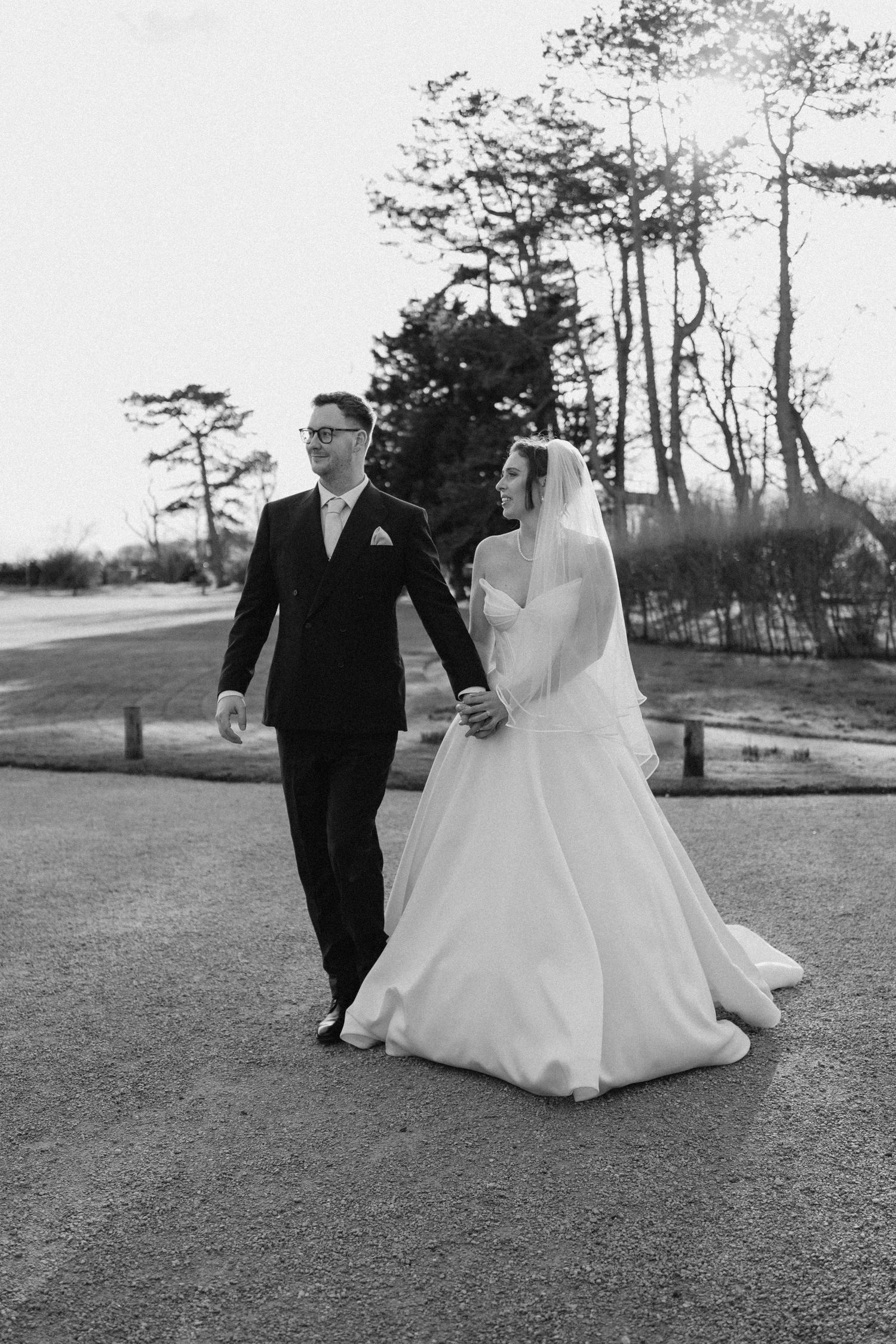
The right photographer will know whether you need gentle guidance, simple prompts or a little more direction. Most couples aren't professional models, and nobody expects you to be.
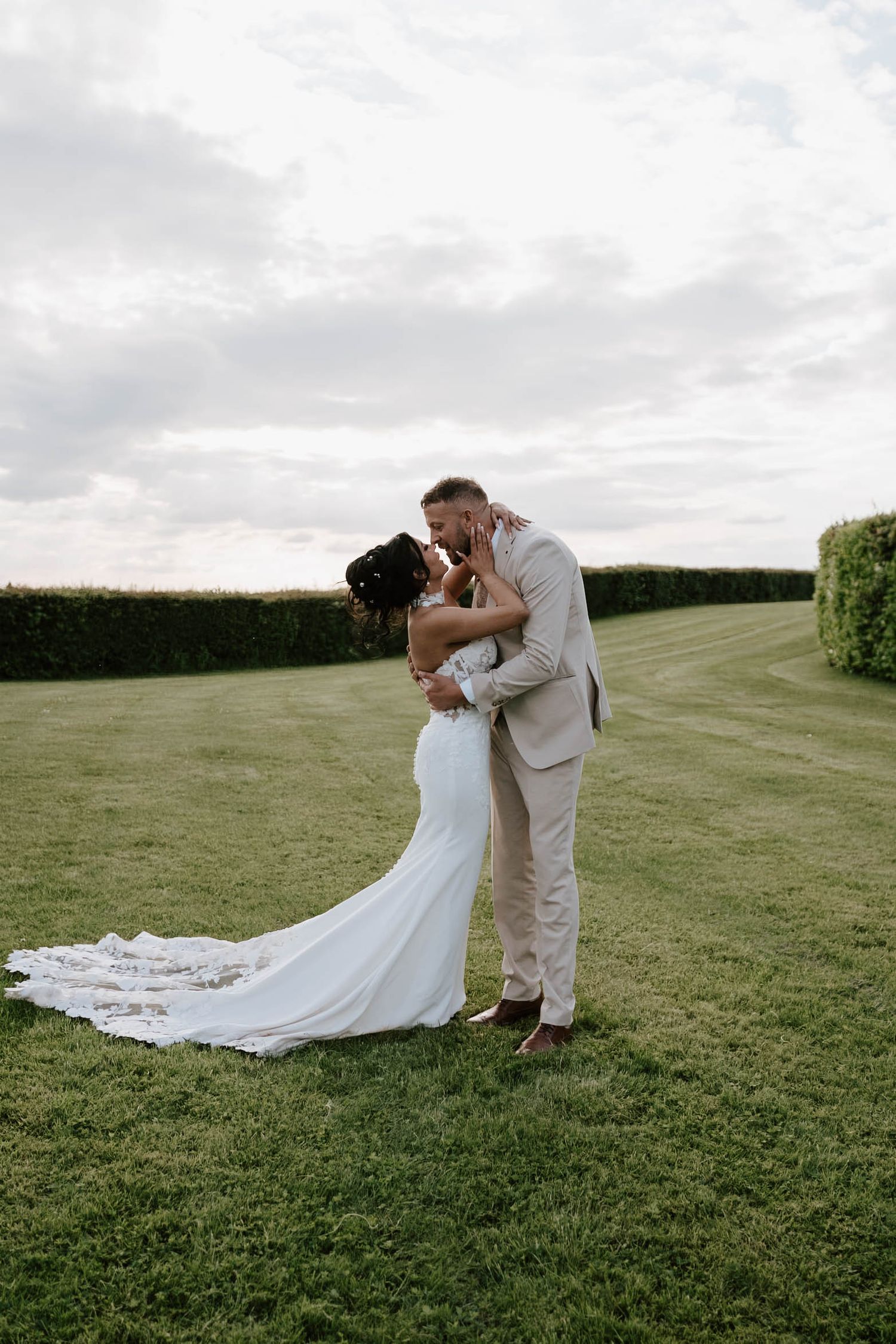
Rather than stiff posing, most modern wedding photography focuses on movement and interaction.
You might be asked to walk together, bump hips, hold hands, whisper something ridiculous to make each other laugh or simply spend a few minutes talking while your photographer documents what happens naturally.
My aim is always to create photographs that feel like you, not photographs that feel forced.
And don't worry — you won't be spending hours away from your guests.
Most couples would much rather enjoy their wedding than spend half of it posing for photographs, and I completely agree.
cocktail hour & Speeches
Once the formalities are over, everyone starts to relax.
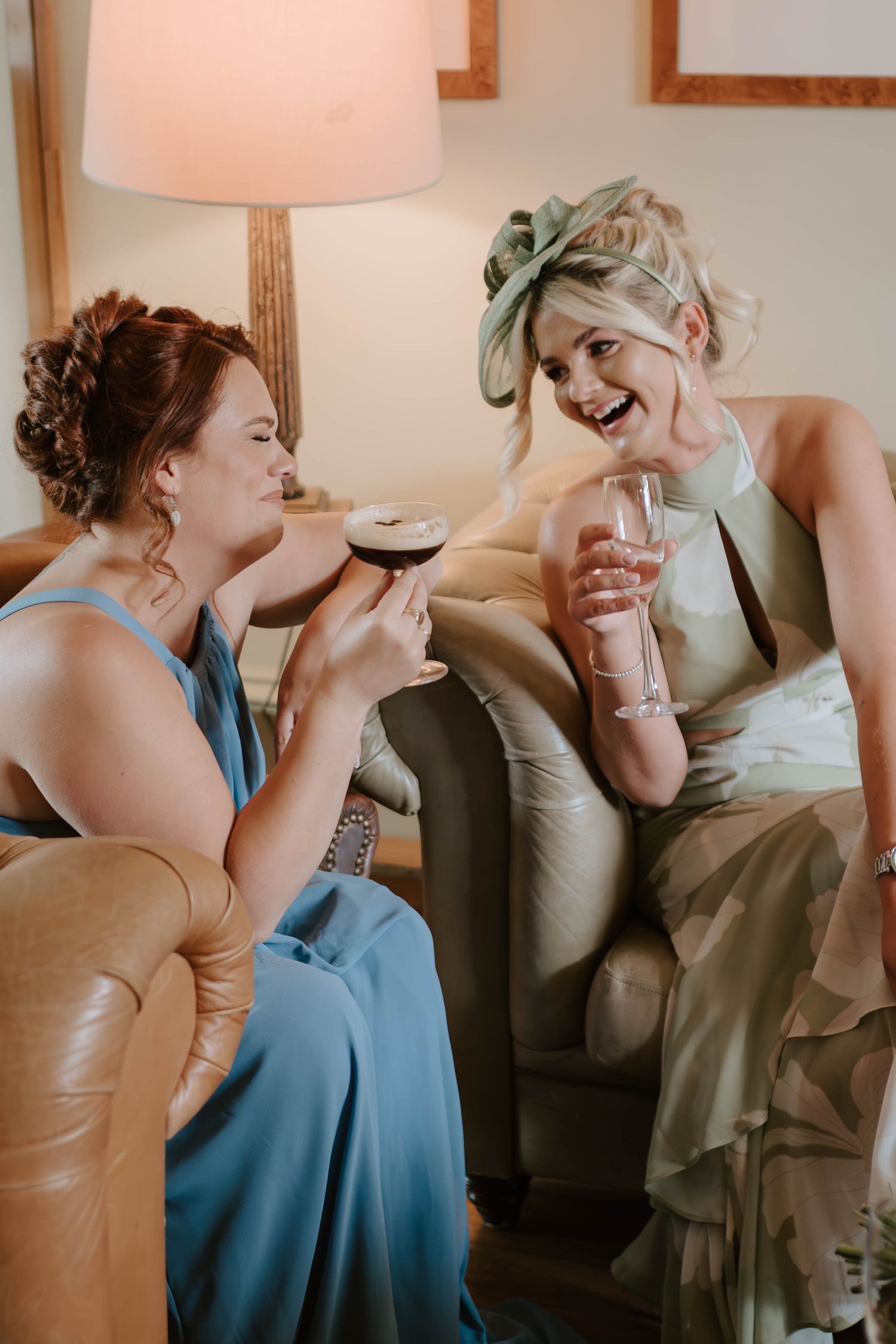
The drinks are flowing, guests are catching up with people they haven't seen in years and the atmosphere shifts into celebration mode.
This is where candid photography really comes into its own.
A little piece of advice: stay relatively close to your new husband or wife during this part of the day. If you want photographs together, you do actually need to be in the same place.
Let guests come to you. Enjoy the conversations. Take it all in.
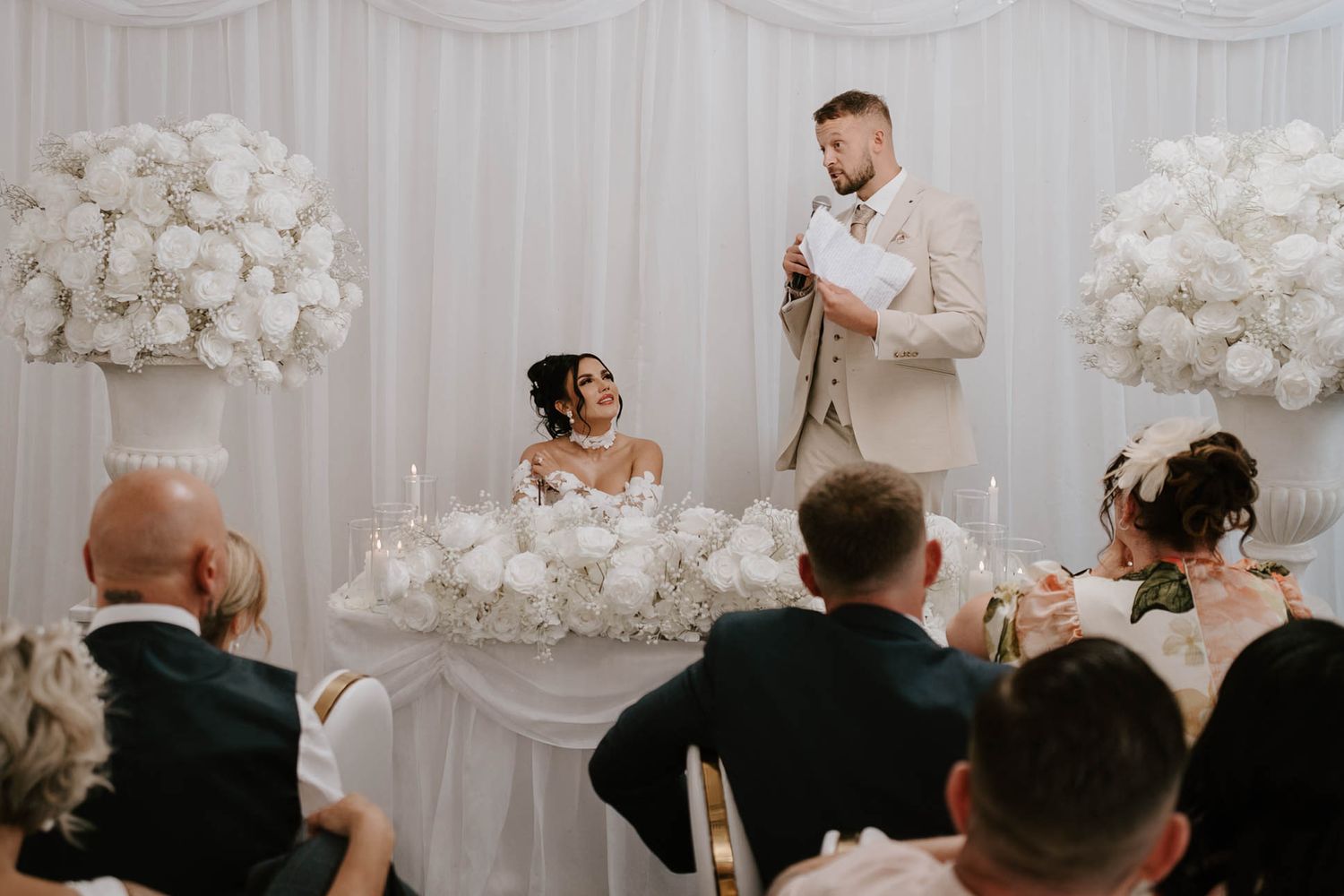
When speeches begin, your photographer will be looking for reactions just as much as the person speaking. The laughter, the tears, the proud smiles and the emotional glances often tell the bigger story.
Then comes food.
At this point your photographer will usually take a short break too. We have to eat at some point! It's also a chance to back up images, recharge batteries and start preparing a few sneak peeks for you.
The party
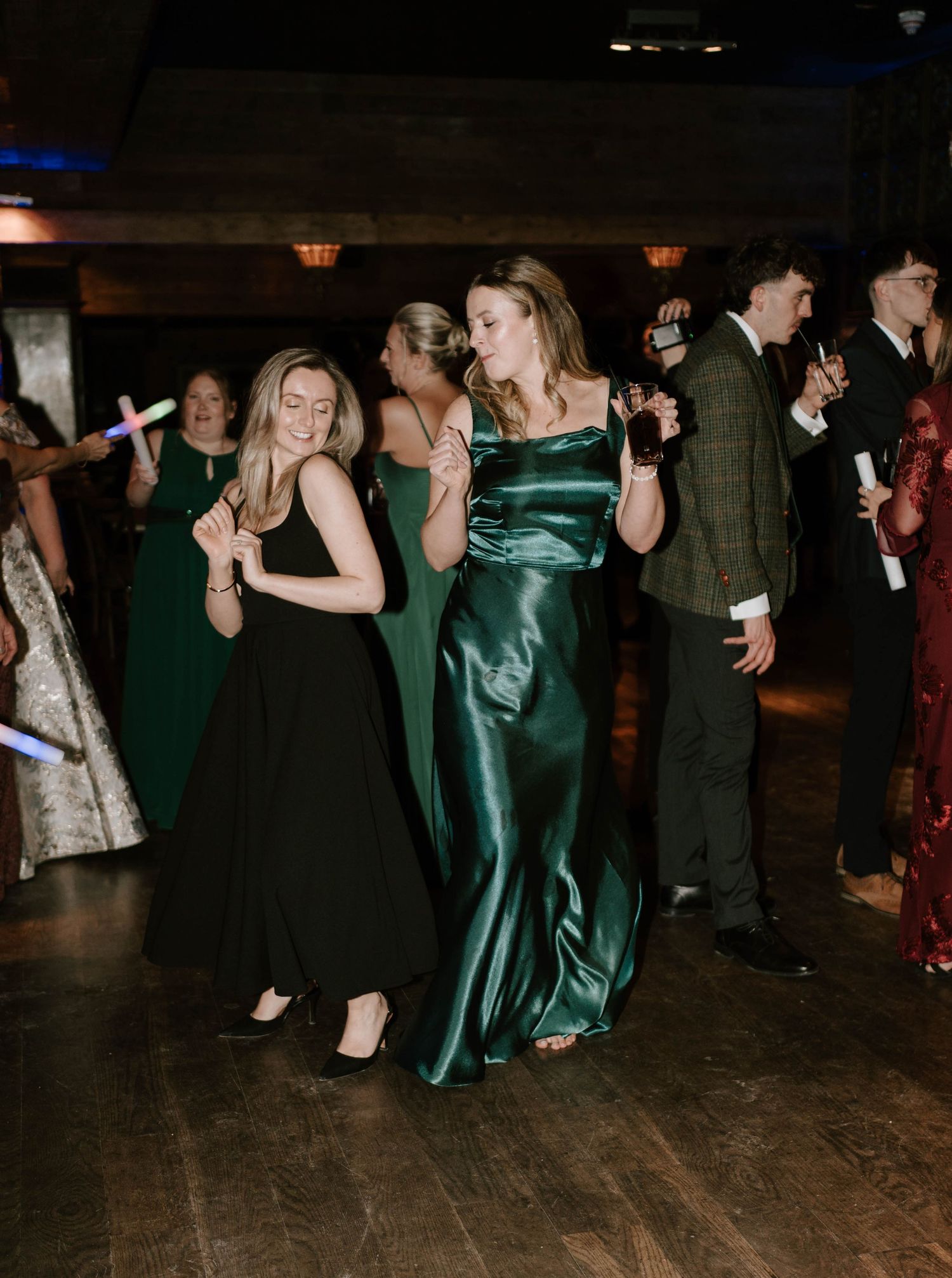
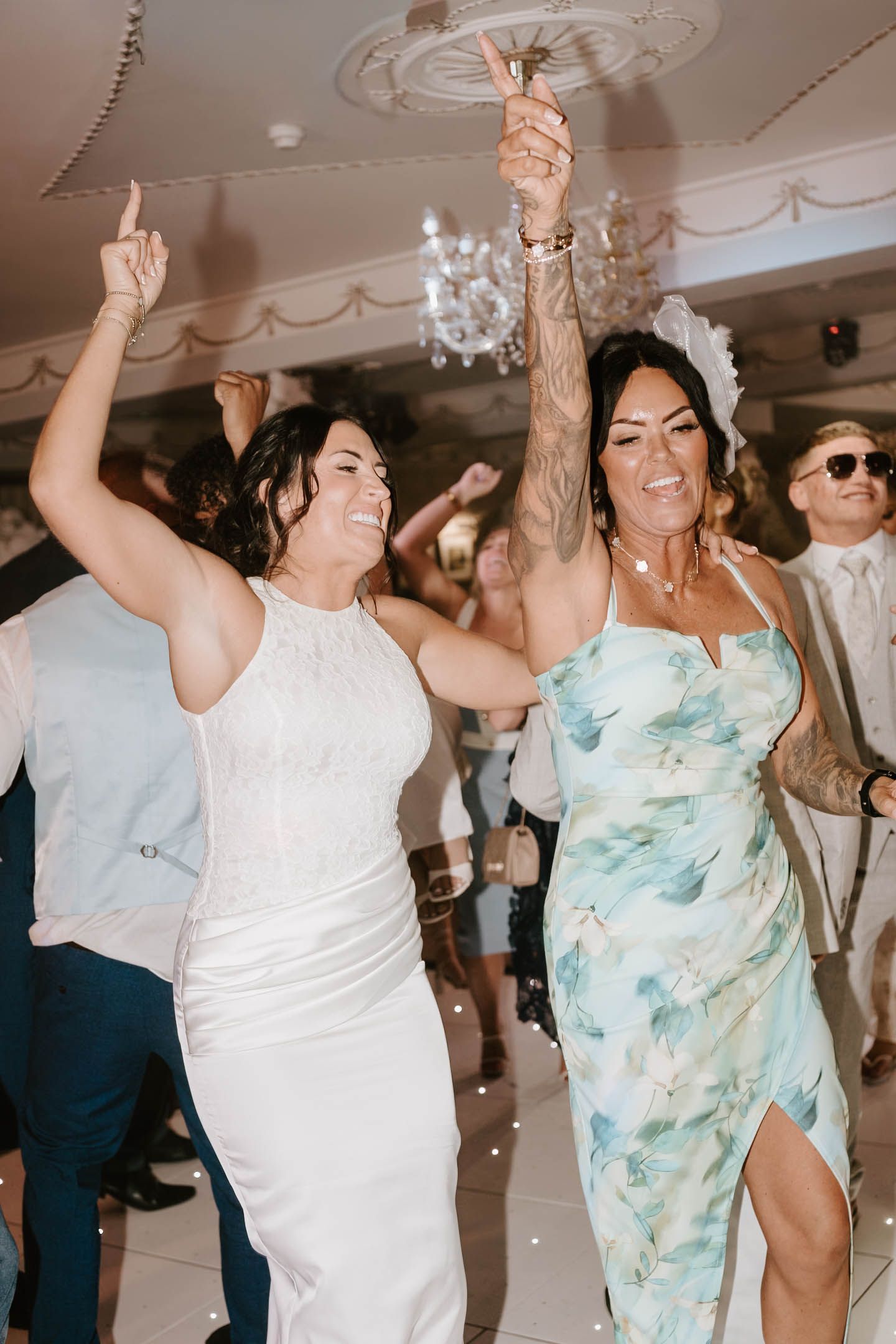
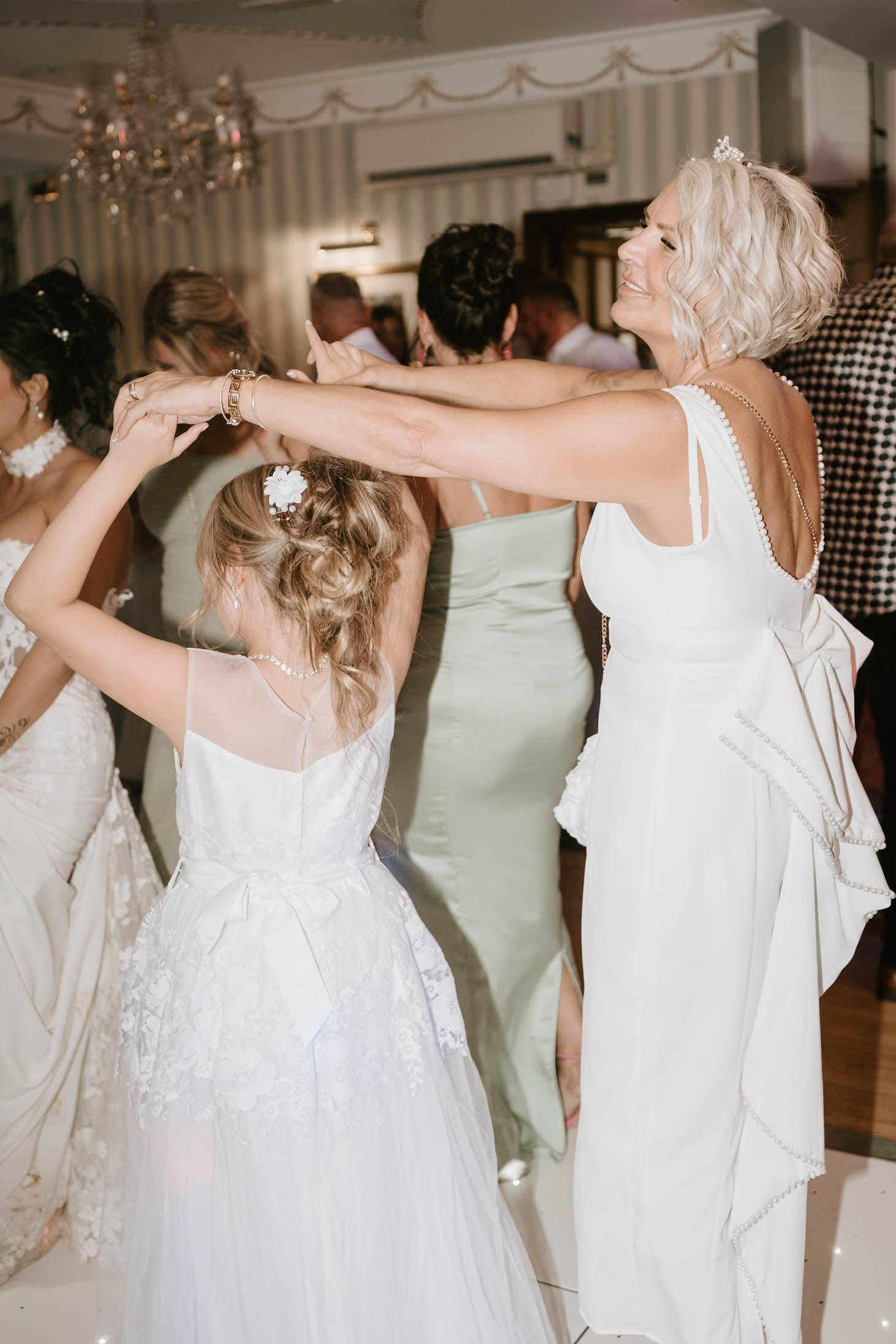
If you're considering ending your photography coverage before the evening celebrations begin, this is my gentle encouragement not to.
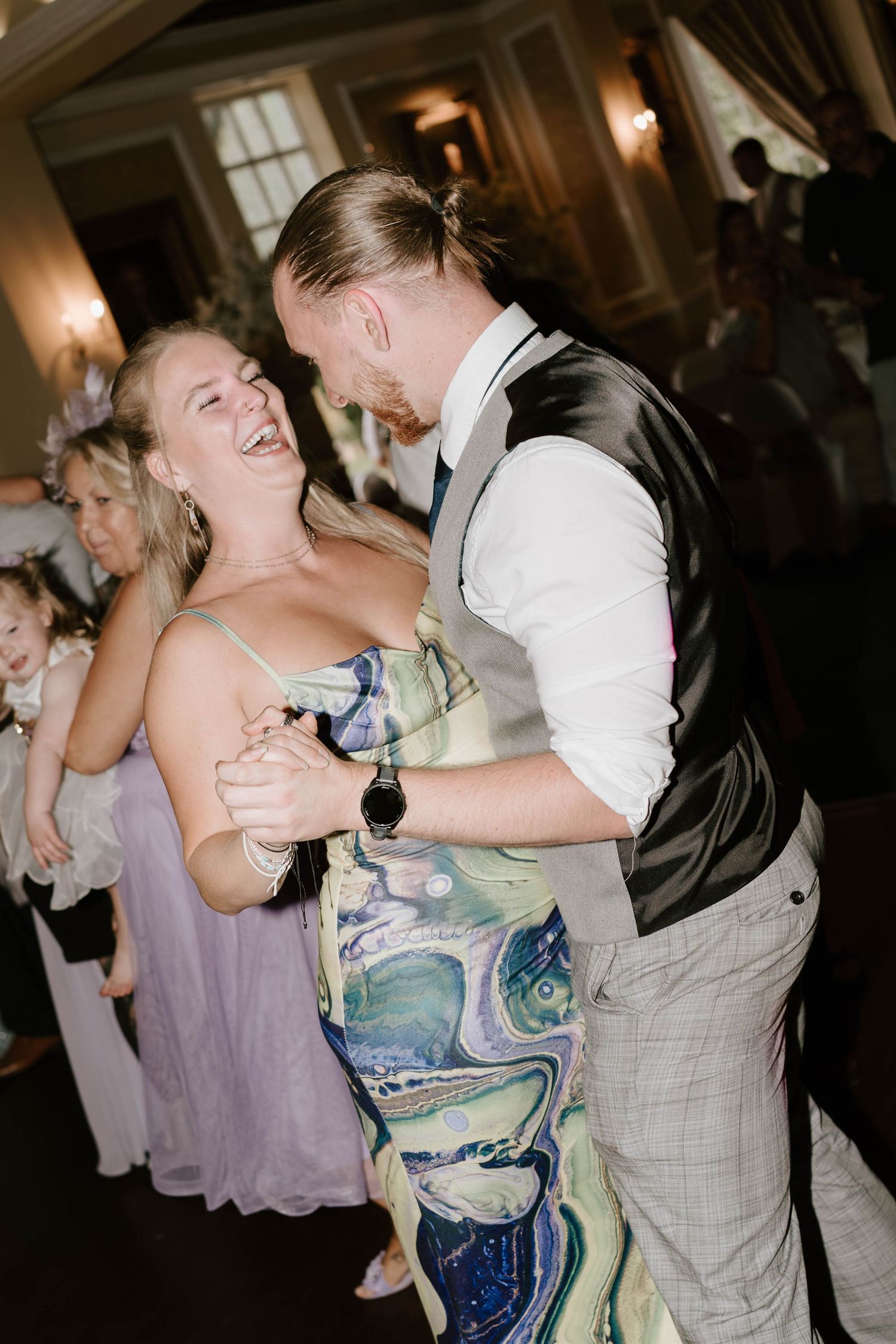
The evening is where some of the most genuine moments happen.
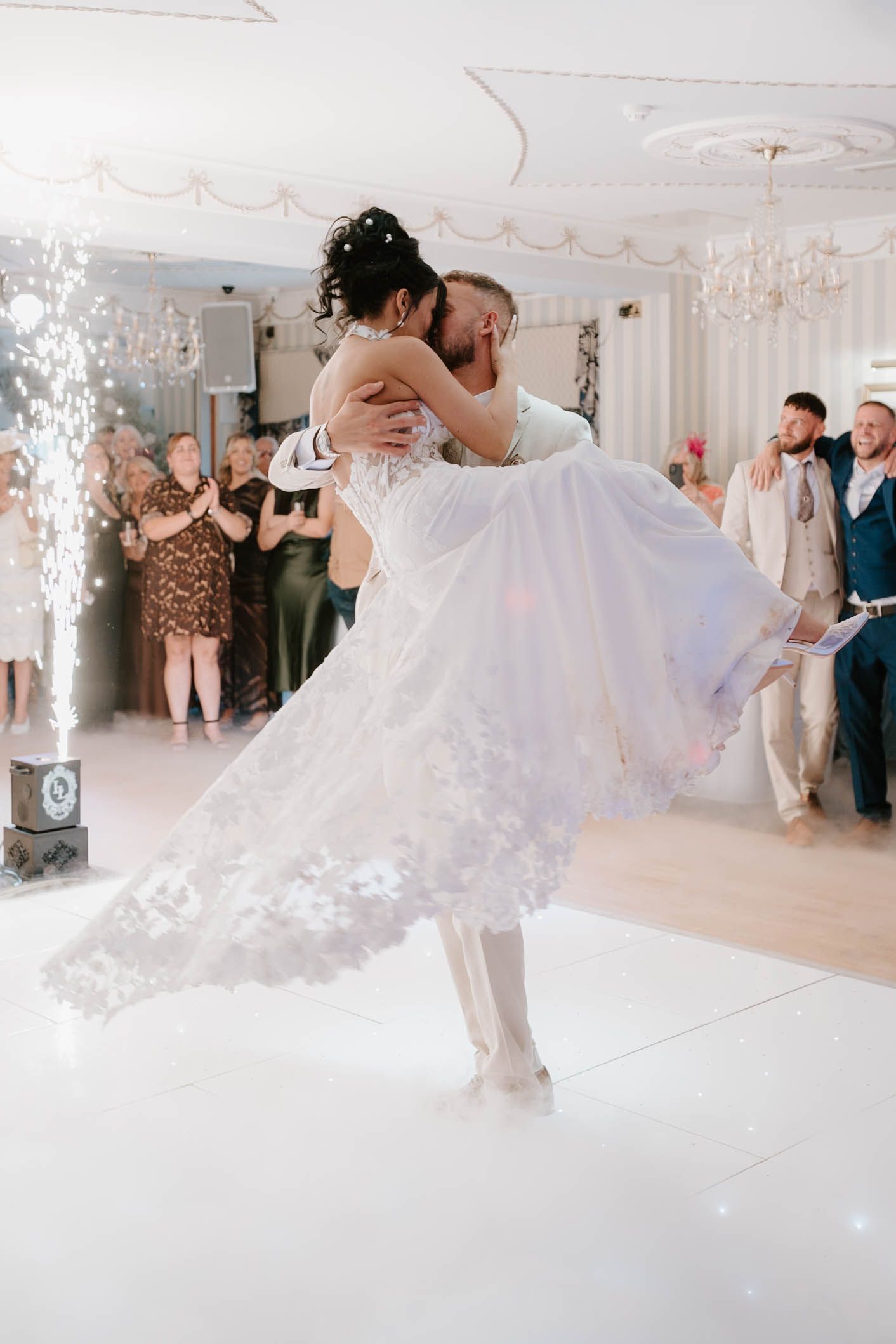
Your first dance. Parents joining you on the dance floor. Friends singing along to songs they definitely don't know all the words to. The moments when everyone finally lets their guard down and simply enjoys themselves.
The atmosphere is completely different to the rest of the day, and that's what makes it so special.
Some of my favourite wedding photographs have happened long after the formalities ended.
Because at the end of the day, a wedding isn't just about the ceremony. It's about the people, the laughter, the hugs, the happy tears and the celebrations that follow.
final thoughts
Every wedding is different, but the goal is always the same: to create photographs that allow you to relive the day long after it's over.
Whether you're planning a countryside wedding in Yorkshire, a city celebration in York or Sheffield, or an intimate ceremony with your closest family and friends, choosing a photographer whose work and personality feel right for you will make all the difference.
If you're currently planning your wedding and looking for a Yorkshire wedding photographer, I'd love to hear all about your plans.